Ian Cherry

Graphic design and band manager Ian Cherry, also known as Chezza gave an interesting online lecture at the University of Derby. Ian Cherry previously worked for branding and advertising at a variety of football clubs. He explained that working for these football clubs were the most significant thing throughout his career, especially since he always had a love for football. Ian Cherry graduated from the University of Derby in Vis Comms: Graphics design and Communication. Chezza acknowledged some questions interesting statements throughout his presentation, including “when you get towards the end of your degree don’t get too caught up in the work that you are doing, make sure you focus as well, what’s going to be the first step in your career.” Which honestly is remarkably good advice and helps demonstrate reasonable confidence and preparation for the future. I will definitely take this advice later on within developing my illustration career. He “first started looking at the different career opportunities out there, I’m talking about geographically, financially” This is remarkably true, because in the future there could be instances where we need to leave comfortable locations, and find areas that are more accessible geographically and financially. The financial aspect is also essential factor for a career in illustration or graphic design.

Ian Cherry has created branding for Real Madrid and the Scottish professional football league design from 2015 onwards. Other teams he has worked for his Hull city and the Derby County Community Trust. Here are examples of his designs below.

Real Madrid, 2015 – 2016, Name and number typeface design, designed by Ian Cherry, Brand manager

Ian Cherry discussed his life and works after graduating from the University of Derby in product design throughout his lecture. His impact on the football industry, particularly logos are outstanding and provides advice of the different stages within his development. It is not to say his time has been difficult, he addressed going through the loss of his dad and moving to different locations. His advice was helpful, especially to accept your ideas, even though people might disagree. For which I completely agree, it is hard in today’s industry, because there will always be people that have a different creative flare than you. Needless to say his advice was interesting and hopefully I would be able to do a successful attempt towards his set brief.

We took this lecture as part of our Illustration: Connections course with the graphic design students. I overall found this lecture extremely interesting, especially learning about the different professions to the one I am aiming for. However next week another illustrator will attend the session and set us an allocated brief. So this first brief we need to approach it, like the graphic design students. Whereas next week we will focus on the brief set by a different illustrator.

Overall I loved the lecture, it helped me confirm some things I was concerned over in the design industry. The questions that were asked by the class addressed my own queries concerning the design industry. I did agree to, joining a creative workshop in the near future, which will be helpful in clarifying the different associations with typography. I find what he had to say extremely interesting and helpful. I hope I can give his brief some justice and hopefully it will be placed to a high standard.

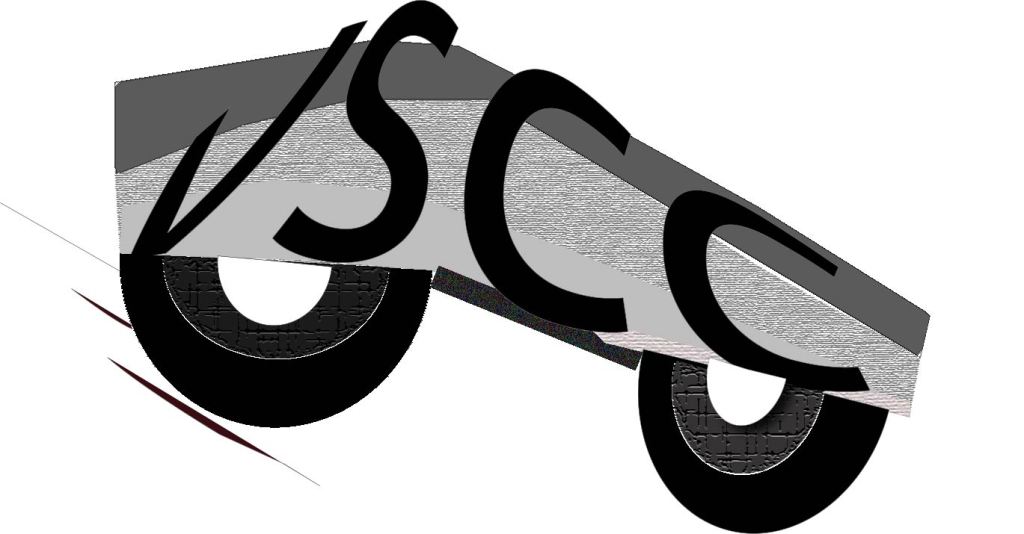
I decided to focus the brief on the Vintage Sports Car Club and design a logo for this. I chose the Vintage sports car club because I do love classic cars, as me and my dad went to many classic cars shows. I decided to focus the main picture of an overlap of different classic cars, to hint at the acceptance on the variety of cars at the club. With the words on top. The other sketch, I was deciding between was a helmet sketch, though the words will be slanted and surrounding the helmet. It will be a quite difficult to discuss, through I hope I come to a positive resolution. I decided whilst creating my logo, to look at what people have done in the past. The current logo uses a rounded cursive typeface, which is quite simplistic. Similarly with other sports club logos, it appears very simplistic and old fashioned. I decided to make a typeface appear quick, by slanting the words.

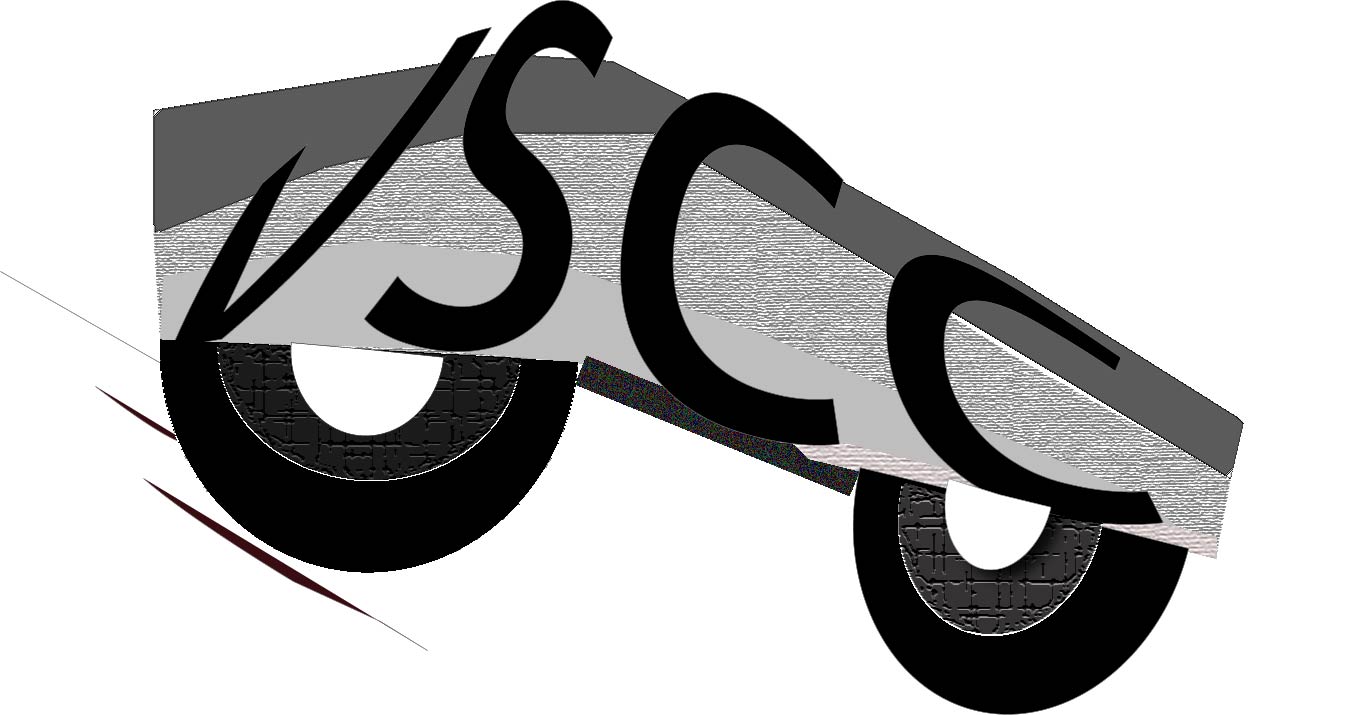
The next part of the progress focuses on the development of the car logo. I decided throughout creating the logo, to focus on one particular car with the logo on top. Here is the sketch below. My final logo is the last image.

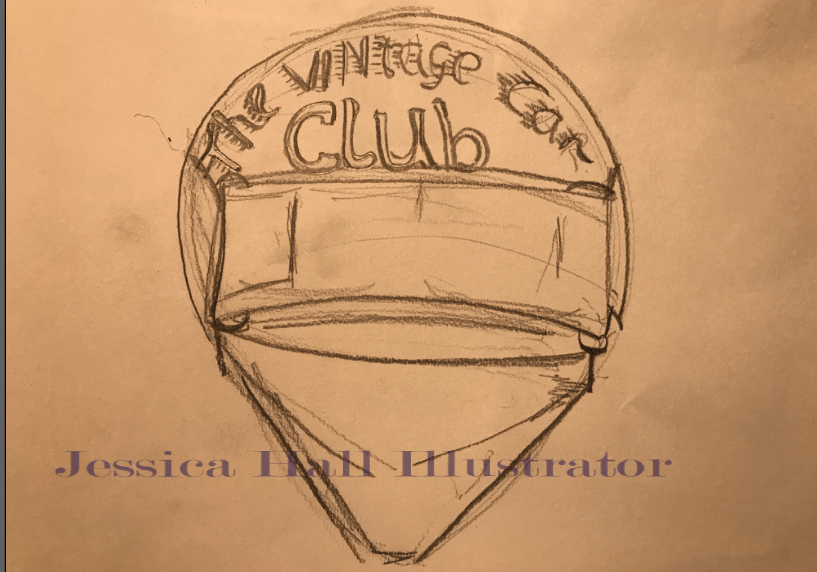
As I continued I started experimenting with colour choice, for the brief. I personally loved creating this logo. Though I must admit that this is not exactly my forte. I will possibly improve this and seek a positive resolution. I felt that the helmet sketch logo wasn’t as successful as the car logo, So I decided to go with the one above. I hope I improve my technical skills to give some improvement within the narrative.
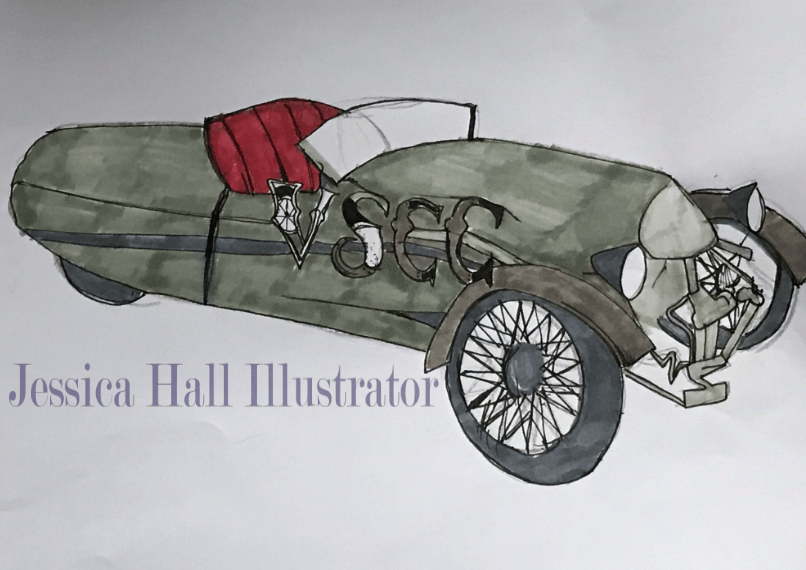
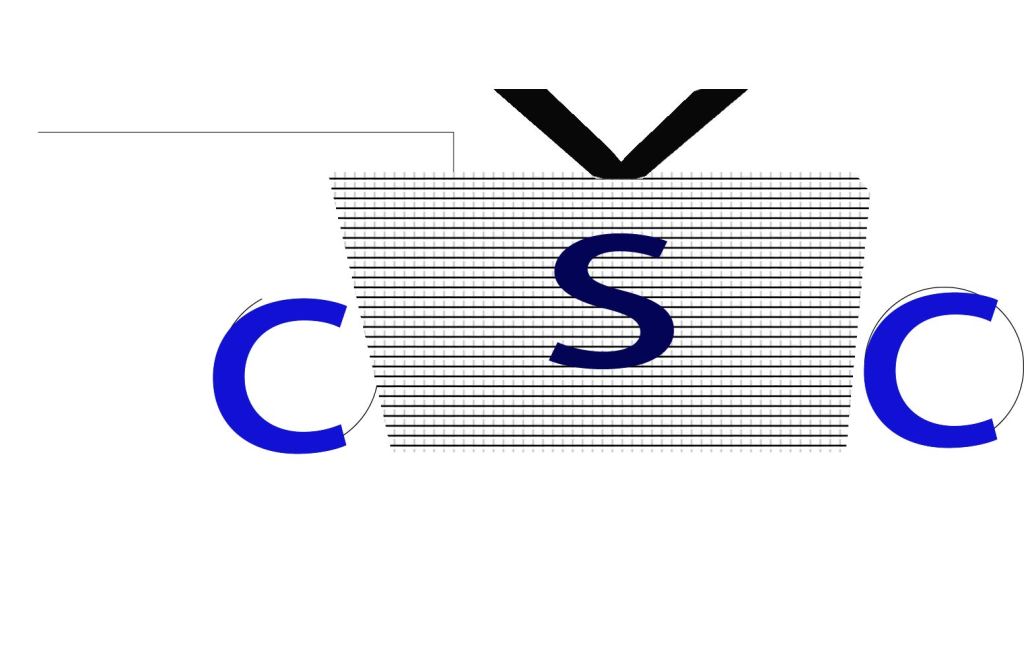
Another second logo design – Jessica Hall
My final design by Jessica Hall

This is my final sketch, and is honestly a more successful attempt. I decided to produce this work in illustrator , as it provided the greater contrast between the different elements in the logo. I tried to stick with a car design, through the empathises of the car wheels. If I had more time I would probably do a coloured version

Networking

At first networking was a stranger to me, my introverted self preferred to just reach people via private email correspondence. I have never had an obsession with social media and never wanted to present my own projects for the world to see. Being private and facing my own independence, was always something I wanted. However this was in the past. Currently I can now see myself building a successful network strategy, through a personal website and Facebook. Since I began my blog, I have gained a responsible understanding on how to appropriately network, especially from the lecturers I listened to this morning. The networking lecture was reasonable sound and clarified important details on contact information and securing job placements. The lecture has shaped my confidence regarding this and I hope it would strengthen my communication towards my aspirations and illustrations. There is still previous work, I still need to continually develop.

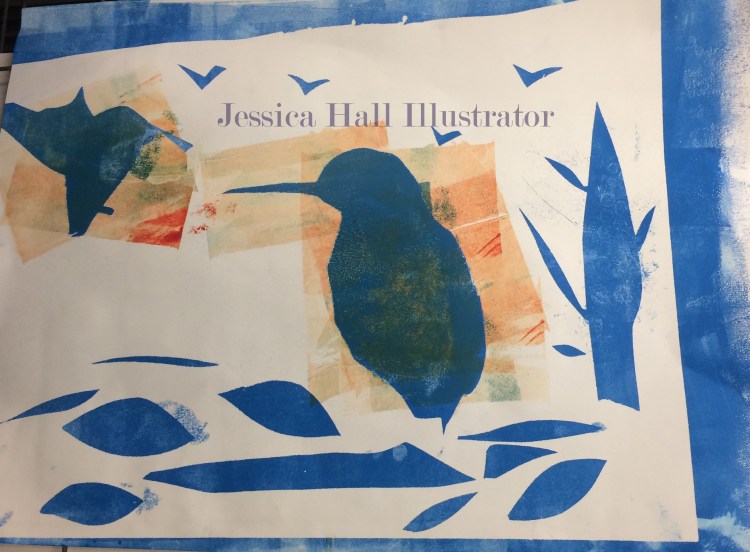
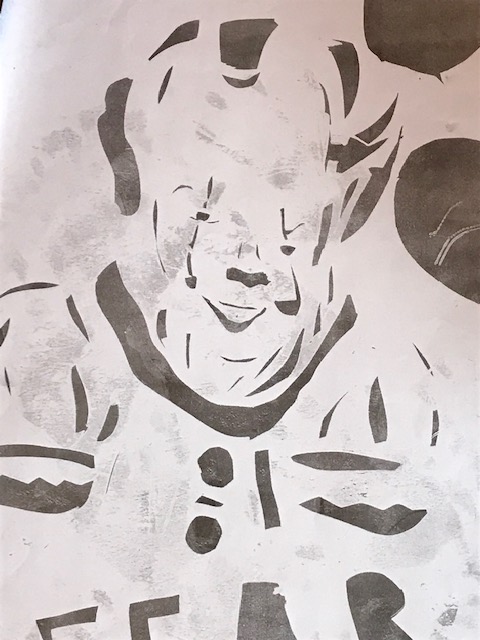
The first part of the lecture, we each had to make our own collages that corresponded with our own personality. It was extremely interesting to learn about other people’s personality. Here is an example of my collage below. I honestly do prefer printing and ink illustration, with according to my personal style.

Jessica Hall, my printed illustration

The second part of the lecture was a group project, where we discussed two illustrators and designers depending on the allocated continent we were assigned too. The illustrator we discussed as a group was Chaira Bautista. She is based in south America and examines different ways of working from painting to digital art. Chaira’s illustrations remind me of the Mexican artist Frida Kahlo. Her use of colour and experimentation with different forms of medium contribute to her work uniqueness. It seems that she has interpreted her own past style of working within her artwork. Personally I would love to contact her and discuss the range of different ideas she has while presenting her work.

While researching Chaira Bautista, I found an interesting website interview regarding the illustrator. The Chaira Bautista, love songs on paper interview published by the beautiful bizarre.net is helpful with discussing her ways of working. This is quoted from Chaira in the response from the interview “ The characters and their ongoing stories are made as gifts for people I love. They are usually born from conversations, most of them from a single sentence said at the right time.” I find this completely significant within her work, and really helps us as illustrators understand her as a person.

The other graphic designer we discussed Eréndida Mancilla, her work is completely interesting and I love her experimentation with colour. Researching a graphic designer was an interesting experience, as in some ways graphic design and illustration interlink. I find it important to mention because she has previously done many company logos and other global illustrations. Manchilla’s use of the red and black is incredibly prominent throughout her work, especially in regards to logos and people. From examining her work, we could tell that her preferred style is working in a digital format. Do be honest, I have always admired illustrators working in a digital format, despite it not being a very strong strength of mine. For more information, regarding Erendida Mancilla, here is a link to an interview with a poster poster website. Her responses are remarkable and well thought out, the way she experiments with colours are a prominent feature within the work.

Frida Kahlo illustration by Eréndida Mancilla. Available from: Eréndida Mancilla on Behance
Tribute to the Mexican Lottery.
Traditional game.
Initiative of Federico López, in which designers from Mexico and abroad participate.
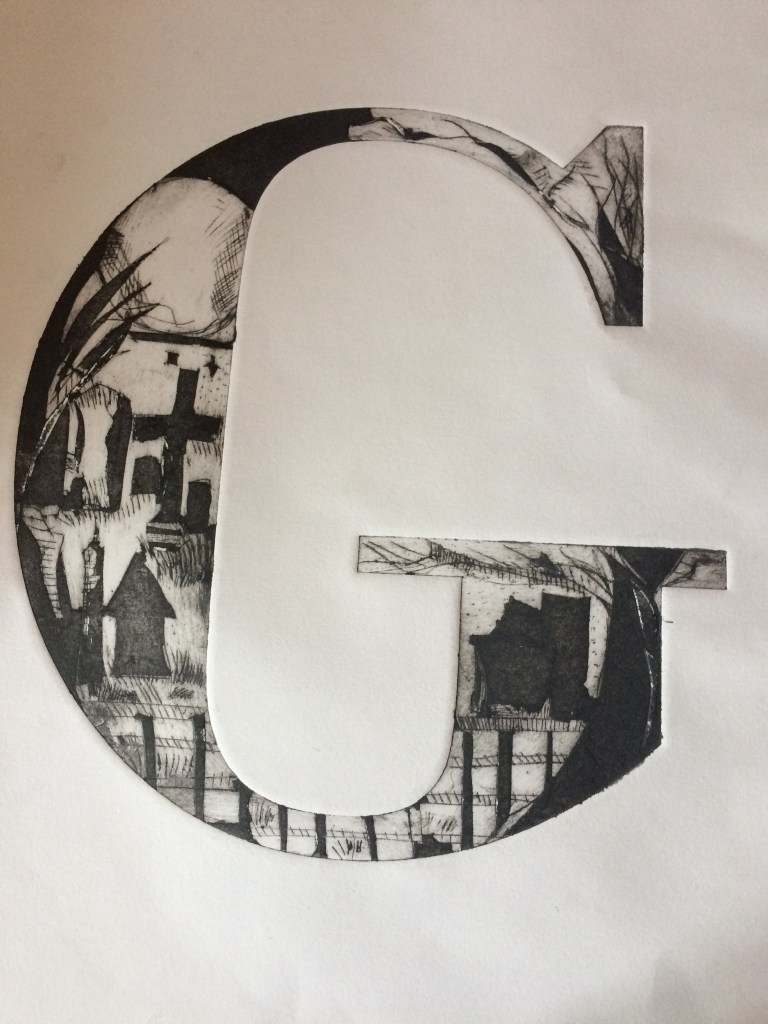
Letter “The umbrella” by Eréndida Mancilla

With accordance to the module, I am trying to contact illustrators on an international scale. I have recently contacted an illustration company in the UK in order to ask them of relevant experience and interests to the illustrators and graphic designers who have previously been involved. Hopefully after these virtual opportunities, it will help me grow continually as an illustrator and conclude my individual sense of style. As part of the illustration module we need to contact different illustrators from an international, local and global position. There are two illustrators who I have previously contacted, in regarding to asking questions as illustrators. In preparation, I have contacted two illustrators in advance, those being Owen Davey and John Coulthart. Both of these, are illustrators I have looked forward to speaking with and have recently admired there work for a while. Both responses were incredibly supporting and helpful in regards to my current research.

Currently I have received the answers to my questions from John Coulthart. I do look forward to write about him in future blogs and respond towards this correspondence. Personally John Coulthart was lovely to talk to and his answers were detailed and understanding to read. However, I will write this email correspondence in the beginning of March, as being assigned from my lecturers. I have had correspondence with Alex Foster, who I will mention in later blog posts. All illustrators I have spoken with have been very nice to communicate with and really helped me understand the world of illustration from an individual perspective.

Update – 18th February

Today I gave an online interview with Owen Davey, an Uk illustrator. Who was personally great to talk too and discuss. The interview is recorded by Owen Davey, as teams wasn’t working to well for me to record it. In future blogs I will discuss the interview and what questions were answered. Hopefully you will find it interesting to read. This of course is in relation to my module, where we needed to give an interview with illustrator.

A very Personal Manifesto

Hello fellow illustrators and designers and welcome to another blog. The word manifesto has different meanings and associations depending on the people you ask. I come to think that a manifesto means a set of policies and aims from a group of people. Using this as a starting point, I will discuss the different manifestos that I have come across throughout my illustration journey. Then presenting my own individual manifesto.

As part of the illustration module,  we discussed as a group the different facts associated with Dieter Rams. Dieter Rams, a German industrial designer released an interesting manifesto for design and architecture. Dieter Rams was an unknown figure to me previously, but after much research and discussion, we as a group finally understood his individual policies and aims.

The manifesto compromises 10 ideologies for the designer to undertake within a practice.  I love Dieter Rams ideologies presented throughout this website, which correlates well to my own views within my personal manifesto. One feature of his manifesto, which I particularly admire is his approach to the environment and consideration into material use, such as simplicity. The article is interesting to read and some of his overall policies I can fully support. Despite not being an designer, I can still incorporate some of his policies within my ways of working. The following quote is from Vitsoe – The power of good design, a website presenting information and direct quotes from the Dieter Rams manifesto. “The possibilities for innovation are not, by any means, exhausted. Technological development is always offering new opportunities for innovative design.” (1) This is one element of Dieter Rams manifesto, which I find most important for discussing new ideologies and frameworks.

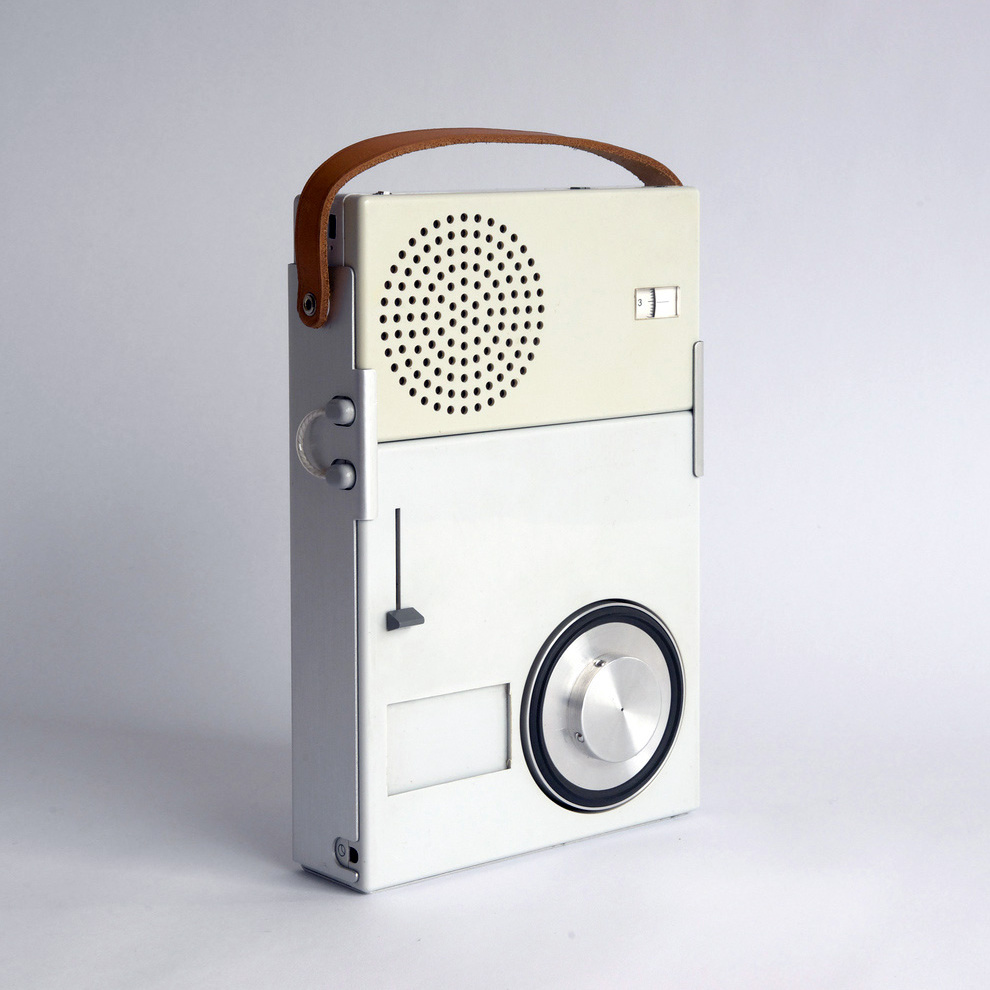
Here are examples of Dieter Rams work and designs

ET 66 calculator, 1987, by Dietrich Lubs for Braun
Dieter Rams (designer) ET 66 calculator, 1987, by Dietrich Lubs for Braun
Dieter Rams (designer) Braun T 3 HfG Ulm + Dieter Rams 1958
Braun T 1000 CD 1968 F 65 Flash Unit 1962 Braun TP 1 Portable Transistor Radio and Phonograph
1959 Available from: Dieter Rams: Ten Principles For Good Design (readymag.com)

The next part of the module correlates with responding to another group’s discussion on a different manifesto. The Brexit design manifesto was previously discussed within the lecture. It was first produced by Ken Garland and 400 graphic designers. It summarises that designers and other creative industries need recognition after the Brexit agreement. I believe that this manifesto is essential for keeping the design industry in the UK alive and encouraging us to represent the industry further. This is important because it still correlates with my views, as I believe that the design industry is important for the growing economy. Even though science takes the common foothold within society, it doesn’t make sense to remove the design industry from funding and support. Using these as examples, I will discuss my own manifesto and how I was inspired by other manifestos.

Brexit design manifesto poster. Available from: DEZEEN I BREXIT DESIGN MANIFESTO PRESENTED TO UK PARLIAMENT – AUTHENTIC DESIGN ALLIANCE

In my manifesto I believe that illustrators can create out of any medium, while not being restricted to a certain element. Another part of my manifesto is that I consider that illustration should be more accessible to students. My manifesto is to give more illustration representation and creative freedom. It is my belief that illustration creativity can be broad and be made into anything. I do not want to restrict the nature of illustration, but provide a viewpoint for illustration to please any form of the economy. As part of the Dieter Rams manifesto, I consider that the innovative and long lasting nature of the illustration to be important. The yourmorals.org quiz, is incredibly important for shaping and developing my manifesto; the higher score of self-driven and benevolence are two qualities that I absolutely dedicate to within my illustration framework. It is higher than all the main political parties. As part of my manifesto is to be not afraid to take risks. The self driven framework is important feature within my manifesto, as being part of my personality. Note that my manifesto is what I believe is important within the illustration community, not necessarily what people think overall.

(1)Vitsoe design Dieter Rams Good design | About us | Vitsœ (vitsoe.com) (date accessed: 12/02/2021)

Creative passions and heroes

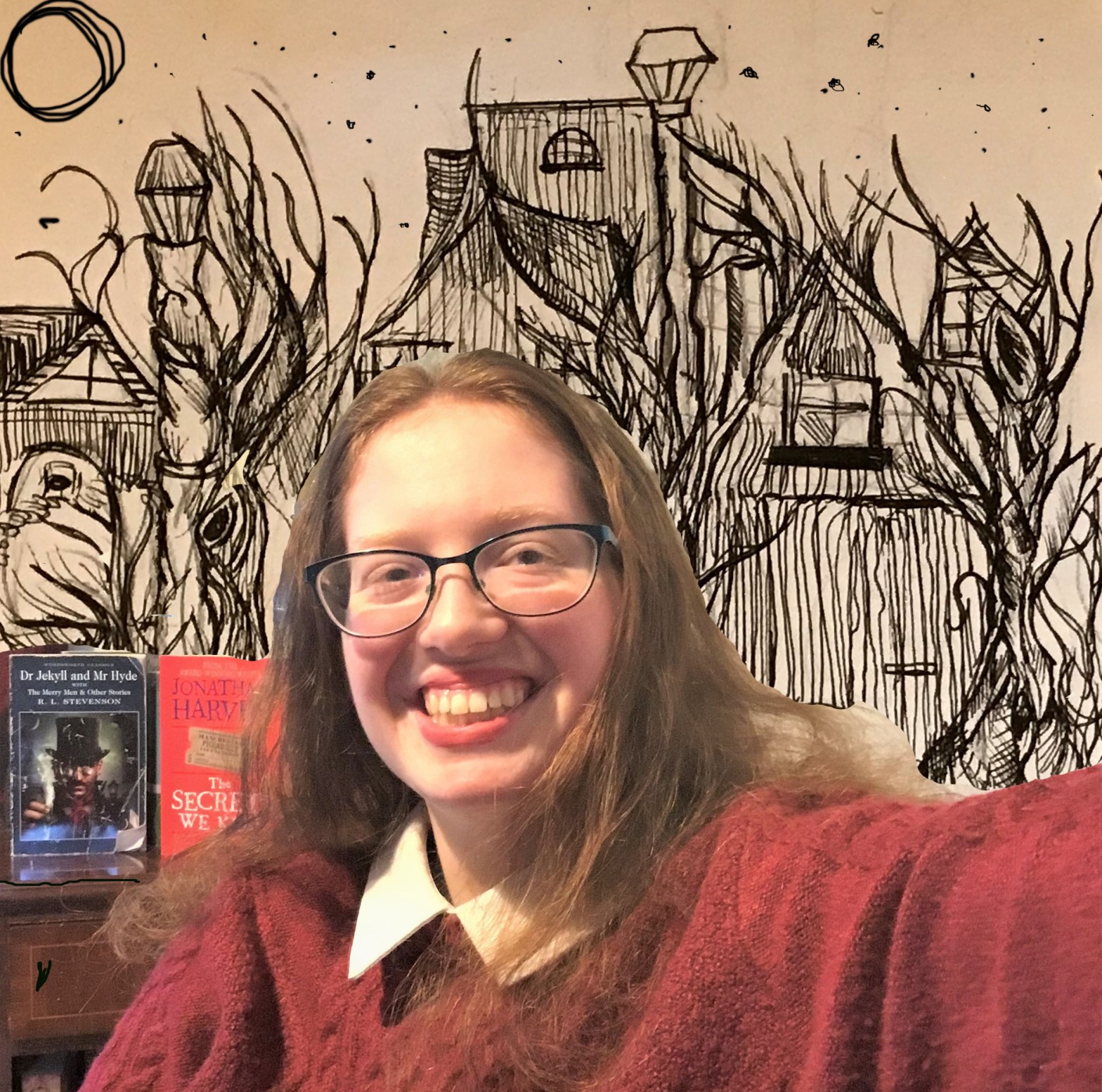
Hello, my name is Jessica Hall and I am a second year illustration student at the University of Derby. As part of the connections module, we were encouraged to set up a blog page, to document all blogs over the course and to reach useful connections. Throughout the blog, we need to consider networking, reaching a beginning of my personal style and discussing different inspirations. Before we delve into my own creative passions, we need to suitable definition. The innovation management article, is a useful resource for defining the ideas around a creative passion and relevance to different audiences

My first experience with the creative passion, began at primary school. Where every break and lunch time I would trace over children’s colouring books. As also being directly influenced by my great aunt throughout this time. I started to love simple line work throughout this time, using at this particular point, a hobby to get me though the school years. This creative passion started to grow throughout secondary school, where I no longer considered tracing a viable way to create. I started creating pen drawings, whilst waiting for lessons. At first I had no idea, that this would be the beginning of a creative passion, at this point it was considered by me a hobby. The pen illustrations, were commonly on scrap pieces of paper to practice, which is honestly not the best to keep your old drawings safe. Later my creative passions developed even further, from practicing with different materials and no longer wanting to draw in pen immediately on paper.

For a period of time, I was obsessed with realism. I still enjoyed this, but I felt that I needed to branch out my particular ways of working. Studying illustration clarified that I didn’t need to subject my work to realism, but instead focus on cartoonish and graphic novels. Currently my work is resorting back to character illustrations I previously worked in. I still focus on creating illustrations via traditional means, but hopefully throughout my creative passion. I could consider digital as well. But I feel more connected to my creative passion, if I physical draw. I love working on projects that involve editorials and book covers as part of a brief. I love creating my characters in a linear ink fashion and creating new characters.

My personality has definitely reflected myself as an illustrator. In the 16 personalities quiz, I am considered a turbulent advocate, with scoring 92% for introvert. Which is hardly surprising. But when it comes to my individual learning styles are primarily strong aural and strong read/ write preference. Whereas in the Vark questionnaire I am a strong reflector. I agree with these scores and will continue to influence and change my illustration journey. I will also use these scores as an reflection process, on what I need to improve on in the future, specifically being more of an extrovert. I will now discuss the creative heroes that have inspired me to be an illustrator.

Creative heroes

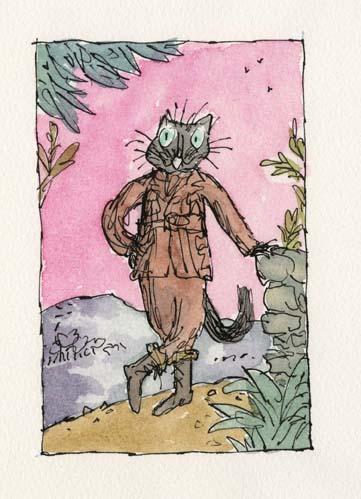
As an illustration student, I am inspired by many illustrators and graphic designers. Quentin Blake, an British illustrator specialising in caricatures, cartoons and also being a well well-established writer. Despite never meeting Quentin Blake personally, I experienced great admiration and respect for him as a child, being captivated by his quirky characters and storytelling. His significance within the illustration world has been well established hand drawn many people towards the art world. Throughout his illustrations, he used a simple line approach for effective storytelling. The illustration below ‘kitty in boots’ represents Beatrix Potter books character, which is another illustrator I have admired. In the interview with the British library: Discovering children’s books, Quentin Blake responds to the interviewer question on what advice you would give aspiring illustrators? Quentin remarks in the interview. “ Everybody can draw something. Some people are embarrassed because they think they’re not very skilful, but what I say to them is: ‘Draw what you can see in front of you”. We here this advice from illustrators and artists quite often, the practice of observation and drawing what you see, even if it is not identical. Eventually those sketches might become significantly important later in life.

Quentin Blake , (2017) cover artwork for the tale of kitty in boots’ Behind the story of The Tale of Kitty-in-Boots (penguin.co.uk)

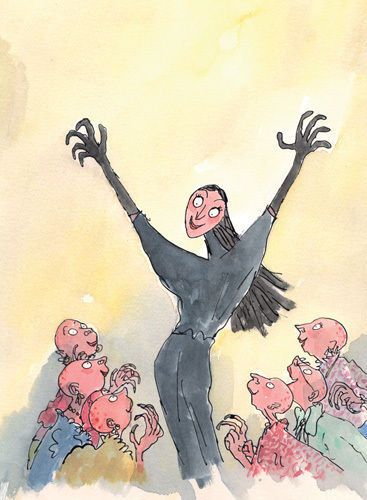
The Witches, Roald Dahl, illustrated by Quentin Blake

Leonardo Da Vinci is an artist that I have admired for a long time and contributed towards my illustration career. Leonardo Da Vinci was an Italian Polymath during the Renaissance era specialising in all artistic and scientific work, these including being an architect, painter and scientists. His most important works, in my opinion are his sketchbooks, that include detail illustrations of autonomy and animals. Leonardo Da Vinci is incredibly significant, not just in the illustration world, but in the medical world as well. His medical illustrations are incredibly accurate and present an accurate amount of consideration and thought. If we do consider the implications and standards during the renaissance era, then drawing from these actual figures correctly and in person, verifies that he is not only a qualified doctor, but artist as well. I find his sketchbooks fascinating, especially his backwards handwriting and attention to detail. The figures he draws paints a realistic life into the medical and illustrative world of the Renaissance Era. I have and will still continue to use Leonardo Da Vinci, as my inspiration and contribute towards my continued progress as an illustrator.

Another illustrator, who inspired me to become an illustrator is Ronald ‘Carl’ Giles. Giles humorous illustrations responded and reacted to specific news events and historical figures, in a light hearted way. I do love his approach from taking dark situations, and bringing a more positivity towards them. In the independent article, the Obituary: Carl Giles, responds to the historical significance of Giles, in relation to his cartoons and a annuals have been a popular best seller. This article is quite interesting to read and I would encourage everyone to read it. It has always been my own intention to create my illustrations, in a light hearted and humorous way.

Ronald ‘carl’ Giles, illustration – prince Phillips birthday, Daily Express, 10th June 1971, Giles collection 2021

Introduce Yourself (Example Post)

This is an example post, originally published as part of Blogging University. Enroll in one of our ten programs, and start your blog right.

You’re going to publish a post today. Don’t worry about how your blog looks. Don’t worry if you haven’t given it a name yet, or you’re feeling overwhelmed. Just click the “New Post” button, and tell us why you’re here.

Why do this?

  • Because it gives new readers context. What are you about? Why should they read your blog?
  • Because it will help you focus your own ideas about your blog and what you’d like to do with it.

The post can be short or long, a personal intro to your life or a bloggy mission statement, a manifesto for the future or a simple outline of your the types of things you hope to publish.

To help you get started, here are a few questions:

  • Why are you blogging publicly, rather than keeping a personal journal?
  • What topics do you think you’ll write about?
  • Who would you love to connect with via your blog?
  • If you blog successfully throughout the next year, what would you hope to have accomplished?

You’re not locked into any of this; one of the wonderful things about blogs is how they constantly evolve as we learn, grow, and interact with one another — but it’s good to know where and why you started, and articulating your goals may just give you a few other post ideas.

Can’t think how to get started? Just write the first thing that pops into your head. Anne Lamott, author of a book on writing we love, says that you need to give yourself permission to write a “crappy first draft”. Anne makes a great point — just start writing, and worry about editing it later.

When you’re ready to publish, give your post three to five tags that describe your blog’s focus — writing, photography, fiction, parenting, food, cars, movies, sports, whatever. These tags will help others who care about your topics find you in the Reader. Make sure one of the tags is “zerotohero,” so other new bloggers can find you, too.

Introduce Yourself (Example Post)

This is an example post, originally published as part of Blogging University. Enroll in one of our ten programs, and start your blog right.

You’re going to publish a post today. Don’t worry about how your blog looks. Don’t worry if you haven’t given it a name yet, or you’re feeling overwhelmed. Just click the “New Post” button, and tell us why you’re here.

Why do this?

  • Because it gives new readers context. What are you about? Why should they read your blog?
  • Because it will help you focus your own ideas about your blog and what you’d like to do with it.

The post can be short or long, a personal intro to your life or a bloggy mission statement, a manifesto for the future or a simple outline of your the types of things you hope to publish.

To help you get started, here are a few questions:

  • Why are you blogging publicly, rather than keeping a personal journal?
  • What topics do you think you’ll write about?
  • Who would you love to connect with via your blog?
  • If you blog successfully throughout the next year, what would you hope to have accomplished?

You’re not locked into any of this; one of the wonderful things about blogs is how they constantly evolve as we learn, grow, and interact with one another — but it’s good to know where and why you started, and articulating your goals may just give you a few other post ideas.

Can’t think how to get started? Just write the first thing that pops into your head. Anne Lamott, author of a book on writing we love, says that you need to give yourself permission to write a “crappy first draft”. Anne makes a great point — just start writing, and worry about editing it later.

When you’re ready to publish, give your post three to five tags that describe your blog’s focus — writing, photography, fiction, parenting, food, cars, movies, sports, whatever. These tags will help others who care about your topics find you in the Reader. Make sure one of the tags is “zerotohero,” so other new bloggers can find you, too.

Introduce Yourself (Example Post)

This is an example post, originally published as part of Blogging University. Enroll in one of our ten programs, and start your blog right.

You’re going to publish a post today. Don’t worry about how your blog looks. Don’t worry if you haven’t given it a name yet, or you’re feeling overwhelmed. Just click the “New Post” button, and tell us why you’re here.

Why do this?

  • Because it gives new readers context. What are you about? Why should they read your blog?
  • Because it will help you focus your own ideas about your blog and what you’d like to do with it.

The post can be short or long, a personal intro to your life or a bloggy mission statement, a manifesto for the future or a simple outline of your the types of things you hope to publish.

To help you get started, here are a few questions:

  • Why are you blogging publicly, rather than keeping a personal journal?
  • What topics do you think you’ll write about?
  • Who would you love to connect with via your blog?
  • If you blog successfully throughout the next year, what would you hope to have accomplished?

You’re not locked into any of this; one of the wonderful things about blogs is how they constantly evolve as we learn, grow, and interact with one another — but it’s good to know where and why you started, and articulating your goals may just give you a few other post ideas.

Can’t think how to get started? Just write the first thing that pops into your head. Anne Lamott, author of a book on writing we love, says that you need to give yourself permission to write a “crappy first draft”. Anne makes a great point — just start writing, and worry about editing it later.

When you’re ready to publish, give your post three to five tags that describe your blog’s focus — writing, photography, fiction, parenting, food, cars, movies, sports, whatever. These tags will help others who care about your topics find you in the Reader. Make sure one of the tags is “zerotohero,” so other new bloggers can find you, too.